
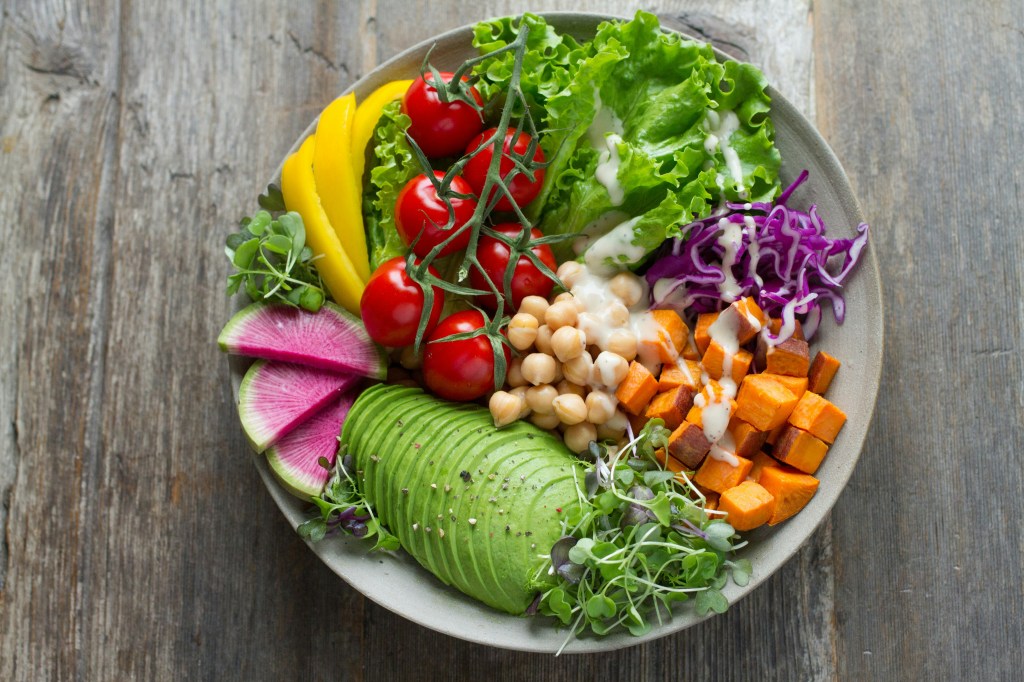
In today’s world of health trends, “clean eating” is often hailed as the ultimate lifestyle choice for maintaining a healthy body and mind. But what does “clean eating” actually mean? Is it just a passing trend, or does it truly offer lasting benefits for your health? In this blog, we’ll uncover the truth behind clean eating, explore its benefits, and show you how to track it effectively with Calorie Counter by NutriSnap—your perfect nutrition companion.
Clean eating isn’t about following a strict, restrictive diet or eating perfectly 100% of the time. Instead, it’s about focusing on whole, unprocessed foods that nourish your body, eliminate processed junk, and bring balance back to your plate. Think of it as a way of eating that’s as close to nature as possible. Let’s dive deeper into what clean eating truly entails and how you can easily track your progress.
What is Clean Eating?
At its core, clean eating is about making better food choices. It emphasizes eating foods in their natural form while avoiding overly processed items that contain artificial ingredients, preservatives, and added sugars. Clean eating encourages you to choose whole grains, fresh fruits and vegetables, lean proteins, and healthy fats while minimizing your intake of refined foods and packaged snacks.
Clean eating is all about nourishing your body with the right types of food, rather than depriving yourself of indulgences. It’s not about counting every single calorie or obsessively tracking macros (though you can still do that for a balanced approach)—it’s about consciously making decisions that support overall health.
Key Principles of Clean Eating:
- Whole Foods Over Processed: Opt for foods as close to their natural state as possible. This means choosing fresh veggies, fruits, whole grains, and lean meats over processed options.
- Less Added Sugar: Limit foods that are high in added sugars, such as sodas, pastries, and sugary snacks.
- Healthy Fats: Focus on healthy fats, like those from avocados, nuts, seeds, and olive oil, while minimizing trans fats and overly processed oils.
- Balanced Meals: Each meal should ideally contain protein, fiber, and healthy fats to ensure satiety and stable blood sugar levels.
Why Clean Eating Matters for Your Health
Adopting a clean eating approach offers a variety of health benefits, and when done correctly, it can have a positive impact on your overall well-being.
- Improved Digestion: Whole, fiber-rich foods like fruits, vegetables, and whole grains help support healthy digestion and can prevent constipation.
- Better Blood Sugar Control: By focusing on complex carbs like whole grains, you can help stabilize your blood sugar levels, reducing the risk of diabetes.
- Increased Energy Levels: Clean eating stabilizes your blood sugar and provides your body with long-lasting energy, so you can avoid energy crashes caused by processed foods.
- Weight Management: When you opt for nutrient-dense, whole foods, your body receives the nutrients it needs without excess calories from added sugars and unhealthy fats.
- Boosted Immunity: Whole foods like fruits, vegetables, nuts, and seeds provide important antioxidants, vitamins, and minerals that help bolster your immune system.
How to Track Clean Eating with Calorie Counter by NutriSnap
Tracking your clean eating habits doesn’t have to be complicated, and the Calorie Counter by NutriSnap can make it easier than ever to stay on track. This intuitive app helps you monitor your food intake, track calories, and ensure you’re hitting your health and fitness goals while following a clean eating approach.
Here’s how you can use NutriSnap to track your clean eating:
1. Scan Your Food to Check Its Cleanliness
When you shop for whole, unprocessed foods, you can use the Calorie Counter by NutriSnap to scan food barcodes and ensure they align with your clean eating principles. If you’re eyeing packaged products, check for ingredients that could derail your clean eating plan. Avoid items with long ingredient lists, added sugars, or preservatives.
2. Track Your Calories and Macronutrients
While clean eating doesn’t require obsessively counting every calorie, tracking your macronutrients (protein, fats, carbs) can help ensure that you’re staying within a healthy range. Use the app to easily log your meals, making sure you’re meeting your daily needs for protein, fiber, and healthy fats without going overboard on unhealthy options.
3. Keep Track of Your Water Intake
Water is essential in clean eating and overall health. Hydration supports digestion, energy levels, and skin health. NutriSnap allows you to track how much water you’re drinking throughout the day, so you can stay hydrated and feel your best.
4. Monitor Portion Sizes
Clean eating isn’t just about the food you choose but also about portion control. NutriSnap lets you log your portions to make sure you’re eating the right amount of healthy foods without overdoing it. Portion control helps you avoid overeating, which is just as important as choosing clean, nutritious foods.
5. Set Goals and Track Progress
Setting clear, achievable goals is essential to sticking with clean eating. Whether you’re aiming for weight loss, better digestion, or increased energy, NutriSnap lets you set and track your progress. It helps keep you accountable by giving you insights into how you’re doing with your clean eating journey.
How to Shop for Clean Eating on a Budget
Eating clean doesn’t have to be expensive! Here are some tips for building a clean eating grocery list without breaking the bank:
- Buy In-Season Produce: Fruits and vegetables that are in-season are usually more affordable and fresher. You’ll also be able to get a variety of produce throughout the year.
- Plan Your Meals: Create a weekly meal plan, so you only buy what you need. This reduces food waste and prevents you from overspending.
- Buy in Bulk: Stock up on whole grains, nuts, and seeds in bulk. This can save you money and ensure you have the staples you need for clean meals.
- Frozen Veggies and Fruits: Frozen produce can be a cost-effective way to get nutrients without worrying about spoilage. Choose frozen vegetables with no added sauce or seasoning.
The Benefits of Consistency with Clean Eating
Staying consistent with clean eating is where the magic happens. It’s not about being perfect every day, but about making more intentional, healthier food choices consistently over time. By tracking your meals and snacks using Calorie Counter by NutriSnap, you’ll have a clearer picture of your eating habits, and you’ll be able to spot any areas that need improvement.
Consistency is key when it comes to any nutrition plan, and clean eating is no different. Over time, as you continue to prioritize whole, nutrient-dense foods and track your intake, you’ll start to see the long-term benefits—improved digestion, better energy levels, and even changes in your physical appearance.
Conclusion: Clean Eating Made Simple
Clean eating doesn’t require drastic changes to your lifestyle or extreme diets. It’s about making small, sustainable changes that prioritize whole, natural foods while minimizing processed and refined options. By focusing on nutrient-dense meals, balancing your macronutrients, and tracking your progress with Calorie Counter by NutriSnap, you can easily follow a clean eating plan that supports your health and wellness goals.
Whether you’re new to clean eating or looking to improve your current habits, NutriSnap offers an easy and effective way to stay on track. Download the app today and start making smarter food choices for a healthier, happier you!
 NutriSnap
Leave a comment