
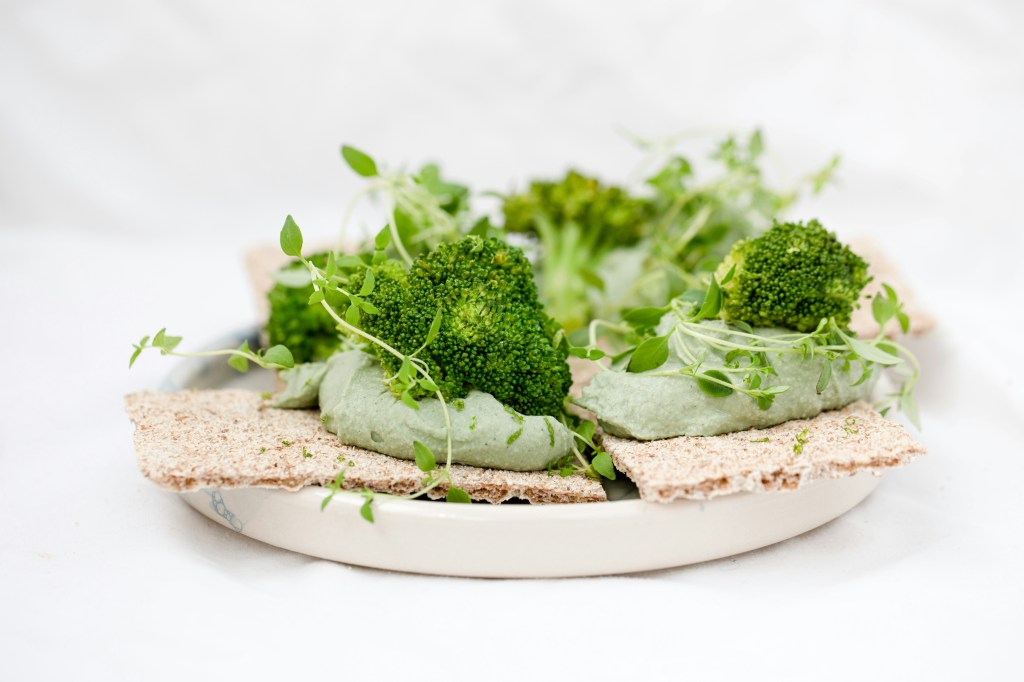
Whether you’ve adopted a full vegan lifestyle or are simply looking to add more plant-based options to your diet, protein is often a key consideration. It’s essential for building and repairing muscles, maintaining skin health, supporting your immune system, and more. While animal-based proteins like meat, dairy, and eggs are common sources of protein, plant-based proteins are just as nutritious and effective—often with additional benefits like fiber, vitamins, and minerals.
The challenge for many is knowing which plant-based protein sources to incorporate into their meals, and more importantly, how to track their calorie and protein intake efficiently. With NutriSnap’s Calorie Counter, you can easily monitor the protein content of your meals, helping you stay on track with your health and fitness goals.
In this comprehensive guide, we’ll explore the best plant-based protein sources, how to incorporate them into your meals, and how NutriSnap can help you track your vegan meals for optimal health.
Why Plant-Based Proteins Are Essential
Plant-based proteins come with a variety of health benefits that animal-based proteins don’t always offer, such as:
- Rich in fiber: Most plant-based protein sources are also high in fiber, which promotes digestion, helps regulate blood sugar, and keeps you feeling fuller longer.
- Lower in saturated fat: Unlike animal proteins, plant-based options tend to be lower in unhealthy saturated fats, contributing to better heart health.
- Packed with nutrients: Many plant proteins are loaded with vitamins, minerals, and antioxidants that support overall wellness, reduce inflammation, and improve immunity.
- Sustainable and ethical: Choosing plant-based proteins is an environmentally friendly choice, contributing to lower carbon emissions and better sustainability practices.
Now let’s take a look at some of the best plant-based protein sources that you can easily incorporate into your diet.
1. Lentils: A Protein Powerhouse
Lentils are among the best plant-based protein sources, offering 18 grams of protein per cooked cup. They are also high in fiber, making them an excellent option for supporting digestion and helping you feel satisfied longer.
How to Use Lentils:
- Lentil soups and stews: Perfect for a warm, filling meal.
- Lentil salads: Combine with vegetables for a protein-packed lunch.
- Lentil burgers: Make your own vegan burgers with mashed lentils, herbs, and spices.
NutriSnap Tip:
Track the protein content of your lentil-based meals in NutriSnap to ensure you’re getting the right amount of protein with each meal.
2. Chickpeas: Versatile and Delicious
Chickpeas, or garbanzo beans, are another excellent plant-based protein source. With 15 grams of protein per cooked cup, chickpeas are also rich in fiber and other essential nutrients like folate and manganese.
How to Use Chickpeas:
- Hummus: Blend chickpeas with tahini, garlic, lemon, and olive oil for a protein-packed dip.
- Chickpea curry: Add them to a flavorful curry for a satisfying meal.
- Roasted chickpeas: Season them with your favorite spices and roast for a crunchy, high-protein snack.
NutriSnap Tip:
Log your chickpea-based recipes in NutriSnap’s food database to track the nutritional content and make sure your meals are balanced.
3. Tofu and Tempeh: Soy-Based Protein Sources
Tofu and tempeh, both made from soybeans, are fantastic protein-rich foods for vegans. Tofu contains around 10 grams of protein per ½ cup, while tempeh offers about 21 grams of protein per 4 ounces. Tempeh has a firmer texture and a nutty flavor, while tofu is more versatile and can take on various flavors.
How to Use Tofu and Tempeh:
- Stir-fries: Both tofu and tempeh work wonderfully in stir-fries with vegetables and a savory sauce.
- Tofu scramble: A vegan alternative to scrambled eggs, packed with protein.
- Tempeh bacon: Marinate and pan-fry tempeh slices for a vegan bacon substitute.
NutriSnap Tip:
To ensure you’re meeting your daily protein needs, track your tofu and tempeh servings in NutriSnap and see how they contribute to your total intake.
4. Quinoa: A Complete Protein
Unlike many plant-based proteins, quinoa is a complete protein, meaning it contains all nine essential amino acids. With 8 grams of protein per cooked cup, quinoa is a powerhouse in plant-based diets.
How to Use Quinoa:
- Quinoa salads: Toss quinoa with fresh veggies, nuts, and a zesty dressing.
- Quinoa bowls: Create nourishing bowls by adding quinoa to roasted veggies, legumes, and avocado.
- Quinoa porridge: Cook quinoa with almond milk, maple syrup, and fruit for a protein-packed breakfast.
NutriSnap Tip:
Log your quinoa meals in NutriSnap to monitor protein intake and track the balance of your meals for overall nutrition.
5. Seitan: A High-Protein Meat Alternative
Seitan, also known as wheat meat, is made from gluten and is a high-protein, low-carb option for vegans. With about 21 grams of protein per 3 ounces, it’s one of the richest plant-based protein sources available.
How to Use Seitan:
- Vegan “meat” dishes: Use seitan in place of meat for tacos, stir-fries, or sandwiches.
- Seitan stir-fries: Sauté with vegetables and your favorite sauce for a quick and high-protein meal.
- Seitan kebabs: Skewer seitan with veggies and grill for a tasty protein-rich dinner.
NutriSnap Tip:
Track the calorie and protein content of your seitan-based meals with NutriSnap to ensure your plant-based diet is giving you all the nutrients you need.
6. Edamame: Protein-Packed Snack
Edamame (young soybeans) are not only delicious but also a great source of protein, with around 17 grams of protein per cup. They’re perfect for a quick snack or added to meals for an extra protein boost.
How to Use Edamame:
- Snack: Steam edamame and sprinkle with sea salt for a protein-packed snack.
- Salads: Add edamame to your salads for added crunch and protein.
- Stir-fries: Toss edamame into vegetable stir-fries or noodle dishes.
NutriSnap Tip:
Add your edamame snacks and meals to NutriSnap to easily track how they contribute to your overall protein intake for the day.
7. Hemp Seeds: Tiny But Mighty
Hemp seeds are small but packed with protein—offering 10 grams of protein per 3 tablespoons. They’re also rich in healthy fats, including omega-3 and omega-6 fatty acids, making them an excellent addition to a balanced vegan diet.
How to Use Hemp Seeds:
- Smoothies: Add hemp seeds to your morning smoothie for an extra protein boost.
- Oatmeal: Sprinkle on top of oatmeal or yogurt for a protein-packed breakfast.
- Salads: Top salads with hemp seeds for a crunchy texture and nutritional punch.
NutriSnap Tip:
Log your hemp seed servings in NutriSnap to keep track of protein and calorie intake while maintaining a balanced vegan diet.
How NutriSnap Helps You Track Your Vegan Diet
As you incorporate these plant-based protein sources into your meals, it’s important to stay mindful of your total calorie and protein intake. NutriSnap’s Calorie Counter makes it easy to track your plant-based meals, ensuring that you’re hitting your nutritional targets without the hassle.
NutriSnap Features to Help You Stay on Track:
- Food Database: NutriSnap’s extensive database allows you to log any plant-based food quickly, ensuring you stay on top of your protein intake.
- Meal Tracking: Track your meals and analyze your daily nutrition to ensure you’re meeting your goals.
- Calorie and Nutrient Breakdown: NutriSnap provides an in-depth breakdown of your calories, protein, carbs, and fats, helping you optimize your vegan meals.
Final Thoughts: Fuel Your Vegan Lifestyle with NutriSnap
Plant-based proteins are essential for anyone following a vegan diet, and with so many delicious options available, there’s no shortage of ways to incorporate them into your meals. By tracking your meals and protein intake with NutriSnap’s Calorie Counter, you can ensure that you’re getting the proper nutrition your body needs while staying on track with your health goals.
Ready to start fueling your plant-based lifestyle? Incorporate these protein-packed foods into your diet, and let NutriSnap help you track your progress every step of the way.
 NutriSnap
Leave a comment