
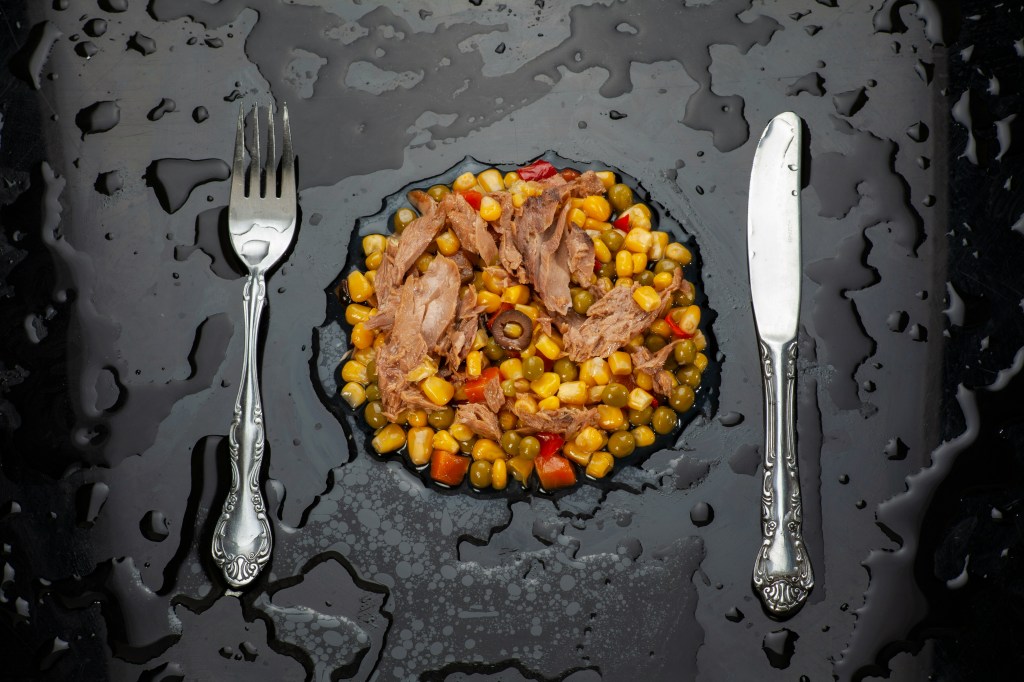
Cooking at home is one of the best ways to control ingredients, portion sizes, and overall nutrition. However, tracking calories from homemade meals can feel overwhelming, especially when you’re not dealing with labeled packaging.
So, how do you ensure accuracy without stress? This guide will break down the best ways to calculate calories from homemade meals so you can stay on track with your health goals. Plus, discover how Calorie Counter by NutriSnap makes the process seamless!
Why Tracking Homemade Meals Can Be Tricky
Unlike packaged foods that come with pre-calculated nutrition labels, homemade meals consist of multiple ingredients with different calorie counts. Factors that make calorie tracking harder include:
- Variations in portion sizes (a “tablespoon” of peanut butter isn’t always exact)
- Cooking methods (grilling vs. frying changes calorie content)
- Ingredient swaps (different brands have different calorie values)
- Sauces and seasonings (hidden calories from oils, butter, and condiments)
But don’t worry—once you get the right tracking strategy, it becomes second nature.
Step 1: Weigh & Measure Ingredients Before Cooking
The most accurate way to track calories is to measure ingredients before cooking. Here’s how:
✅ Use a digital food scale – This is more precise than measuring cups. Weigh ingredients in grams or ounces before cooking.
✅ Measure liquids in milliliters – Use a measuring cup for accuracy with sauces, oils, or dressings.
✅ Track before you eat – Logging as you cook prevents missing ingredients later.
Example: If you’re making oatmeal, weigh 40g of oats, 150ml of almond milk, and 10g of peanut butter separately before cooking.
💡 Tip: Calorie Counter by NutriSnap lets you input ingredients directly, making homemade meal tracking effortless.
Step 2: Account for Cooking Methods & Oil Usage
Cooking can alter calorie content, especially when using oils, butter, or sauces. Here’s how different methods affect calorie counts:
- Boiling & steaming – Minimal calorie change (great for veggies & lean proteins).
- Grilling & baking – Some fat may cook off, but oil usage matters.
- Frying & sautéing – Absorbs oil, significantly increasing calorie content.
Tracking Oil & Butter:
✅ Weigh oil separately before adding to the pan. 1 tbsp of olive oil = ~120 calories.
✅ Use a spray instead of pouring oil to reduce extra calories.
✅ Drain excess fat from meats to lower calorie intake.
💡 Tip: Use Calorie Counter by NutriSnap to log the exact amount of oil used in your cooking.
Step 3: Use Recipe Builder for Multi-Ingredient Meals
For dishes like soups, casseroles, stir-fries, or baked goods, use a recipe builder to track everything accurately.
How to Use a Recipe Builder:
1️⃣ Enter all ingredients with their exact weights into Calorie Counter by NutriSnap.
2️⃣ Record the total serving size (e.g., total grams or portion count).
3️⃣ Divide the total calorie count by the number of servings to find per-serving calories.
Example: If a homemade lasagna has 2,400 total calories and you divide it into 6 servings, each serving has 400 calories.
💡 Tip: Save your recipes in Calorie Counter by NutriSnap so you can log them instantly next time!
Step 4: Track Leftovers & Adjust Portions
If you cook in bulk and save leftovers, here’s how to track accurately:
- Weigh the final dish after cooking (e.g., total grams of soup or casserole).
- Divide by portions (if the total weight is 1,200g and you eat 300g, that’s 25% of the total calories).
- Log leftovers separately when eaten later to stay consistent.
💡 Tip: When meal prepping, store food in portioned containers to simplify tracking.
Step 5: Be Mindful of Hidden Calories in Homemade Meals
Sometimes, extra calories sneak into homemade meals without being tracked. Watch out for:
🍯 Sauces & dressings – Store-bought varieties often contain sugar and oils.
🧈 Butter & spreads – Even a small amount can add significant calories.
🥜 Nut butters & cheese – High in healthy fats but easy to over-serve.
🥄 Sweeteners & syrups – Honey, maple syrup, and sugar add up fast.
💡 Tip: Always measure small calorie-dense ingredients before adding them to your meal.
Step 6: Use a Calorie Tracking App Like Calorie Counter by NutriSnap
Why track manually when you can do it effortlessly? Calorie Counter by NutriSnap makes homemade meal tracking easier with:
✅ A recipe builder to save and log homemade meals quickly.
✅ A barcode scanner for tracking store-bought ingredients.
✅ Pre-set serving sizes for common foods to reduce guesswork.
✅ Macro tracking to ensure you’re hitting your protein, carb, and fat goals.
By using Calorie Counter by NutriSnap, you remove the guesswork and ensure accuracy every time.
Final Thoughts: Make Homemade Calorie Tracking Easy
Tracking calories from homemade meals doesn’t have to be complicated. By weighing ingredients, accounting for cooking methods, using a recipe builder, and tracking accurately, you can stay on top of your nutrition without stress.
📌 Start logging your homemade meals today with Calorie Counter by NutriSnap and take control of your nutrition effortlessly!
 NutriSnap
Leave a comment