
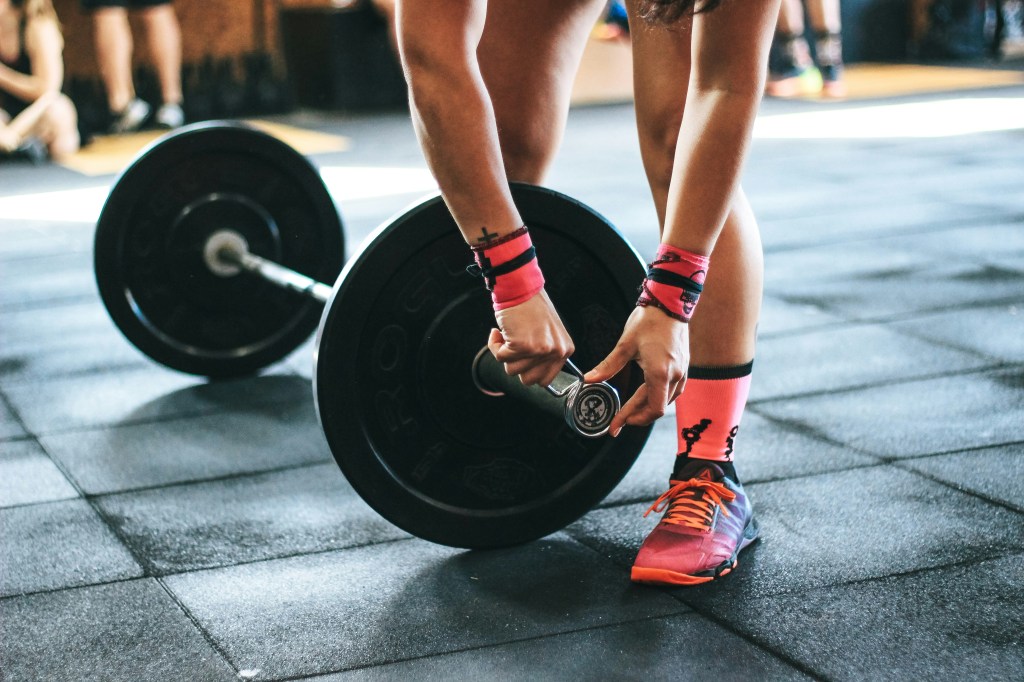
Strong Is the New Sexy
For decades, fitness marketing told women to “tone up” with light weights and cardio. The unspoken warning? Lift heavy, and you’ll turn into a bodybuilder overnight. But this myth couldn’t be further from the truth.
Lifting heavy is not about getting bulky—it’s about getting stronger, leaner, healthier, and more empowered. In fact, strength training may be the single most transformative practice women can add to their wellness routines.
In this deep dive, we’ll explore:
- The science behind why lifting heavy won’t make you bulky
- The real benefits of strength training for women
- How to start lifting without intimidation
- How to use Calorie Counter by NutriSnap to fuel your gains and track your results
❌ Myth Busted: Why Lifting Heavy Doesn’t Make Women Bulky
One of the biggest fears that keeps women away from the squat rack is the idea of “getting too big.” Here’s why that’s a myth rooted in misinformation:
🔬 1. Hormones Make the Difference
Women have 10–20x less testosterone than men, the key hormone responsible for muscle size. Even with intense training, women build lean, sculpted muscle, not mass.
🧬 2. Muscle Growth Takes Time (and Intentional Effort)
Putting on visible muscle requires years of consistent, strategic training and nutrition—not just lifting a few heavy dumbbells.
📦 3. Bulk Is Often Confused with Bloat or Diet-Related Weight
A short-term increase in scale weight could be:
- Water retention from glycogen storage
- Slight inflammation from starting a new program
- Increased food volume to support training
None of this = bulk. It’s simply part of the body adapting.
💪 The Real Benefits of Lifting Heavy for Women
When women lift heavy, they unlock physical, mental, and emotional transformations that go far beyond appearance.
🔥 1. Burn More Fat—Even at Rest
Muscle is metabolically active. The more you have, the more calories you burn daily—even when you’re sleeping.
1 lb of muscle burns ~6 calories per day vs. ~2 for fat. Over time, that adds up!
💃 2. Lean, Sculpted Muscle Tone
Heavy lifting creates that firm, “toned” look women often want. It tightens the body, lifts posture, and adds curves in all the right places—without looking masculine.
🦴 3. Stronger Bones and Injury Prevention
Strength training improves bone mineral density, helping protect against osteoporosis—a major concern for women, especially post-menopause.
It also strengthens connective tissues, improving joint stability and reducing injury risk.
🧠 4. Mental Resilience and Confidence
Lifting heavy builds more than muscles—it builds mindset:
- Increases self-confidence
- Develops mental toughness
- Reduces anxiety and depression symptoms
You feel capable, strong, and in control—not just in the gym, but in life.
❤️ 5. Better Hormonal Balance and Metabolism
Lifting helps regulate:
- Insulin sensitivity
- Thyroid function
- Cortisol and stress responses
It can also reduce PMS symptoms and support smoother perimenopause transitions.
🏋️♀️ How to Start Lifting Heavy (Without Feeling Overwhelmed)
You don’t need to be a powerlifter to lift heavy. It’s about lifting heavy for you.
🧱 Step 1: Focus on Compound Movements
These exercises give you the most bang for your buck:
- Squats
- Deadlifts
- Bench presses
- Overhead presses
- Pull-ups/rows
They work multiple muscle groups, burn more calories, and build functional strength.
⏱ Step 2: Use Progressive Overload
Gradually increase weight, reps, or sets over time to challenge your body and spark muscle growth. This is key for results.
📆 Step 3: Train 3–4 Days/Week
Split it like this:
- Day 1: Upper body (push)
- Day 2: Lower body
- Day 3: Upper body (pull)
- Day 4: Mobility or conditioning
Rest and recovery are just as important. Don’t skip them.
🔍 Step 4: Focus on Form Over Ego
Learn proper technique before going heavier. Use mirrors, trainers, or video feedback to stay injury-free and confident.
🧠 Fueling Gains: Why Nutrition Matters
You can’t build strength without nourishment. To recover and grow, your body needs:
- Adequate protein (0.7–1g per pound of bodyweight)
- Complex carbs for energy
- Healthy fats to support hormones
- Hydration to maintain performance
Here’s where Calorie Counter by NutriSnap comes in.
📲 Calorie Counter by NutriSnap: The Smart Way to Support Your Strength Journey
Training is just one part of the puzzle. NutriSnap helps you master the rest with AI-powered photo-based food tracking and recovery insights.
🥗 What NutriSnap Can Do for You:
- Snap meals to instantly log calories and macros
- Track workouts and recovery days for balance
- Visualize trends in strength, weight, and energy
- Monitor progress with before/after shots and strength PRs
- Understand patterns in nutrition and performance
No more guessing. NutriSnap gives you clear, visual data that shows what’s working—and where to tweak.
⚖️ Lifting vs. Cardio: Do You Need Both?
Yes! But here’s how to balance them:
- Strength training = Build lean mass, burn fat long-term
- Cardio = Improve heart health and endurance
Start with 3–4 lifting sessions per week, plus 1–2 days of light cardio or walking.
💬 Real Talk: You Won’t Regret Getting Strong
No woman has ever said, “I wish I hadn’t gotten stronger.”
The truth is, lifting heavy:
- Gives you curves and confidence
- Helps you age powerfully
- Builds lifelong health
The bulky myth is history. Strength is your future.
✅ Take Action: Start Lifting Heavy Today
Here’s your 3-step plan:
- Pick 3 compound lifts to master
- Download Calorie Counter by NutriSnap to track your fuel and recovery
- Lift heavy for you, not for anyone else
You’ll be amazed at how strong you can become—and how good it feels.
🚀 Final Thoughts
Strength training isn’t about aesthetics—it’s about agency, ability, and aging well.
It’s time to reclaim the weight room, one rep at a time.
Let Calorie Counter by NutriSnap be your strength ally—keeping your nutrition, recovery, and goals aligned with every lift.
 NutriSnap
Leave a comment