
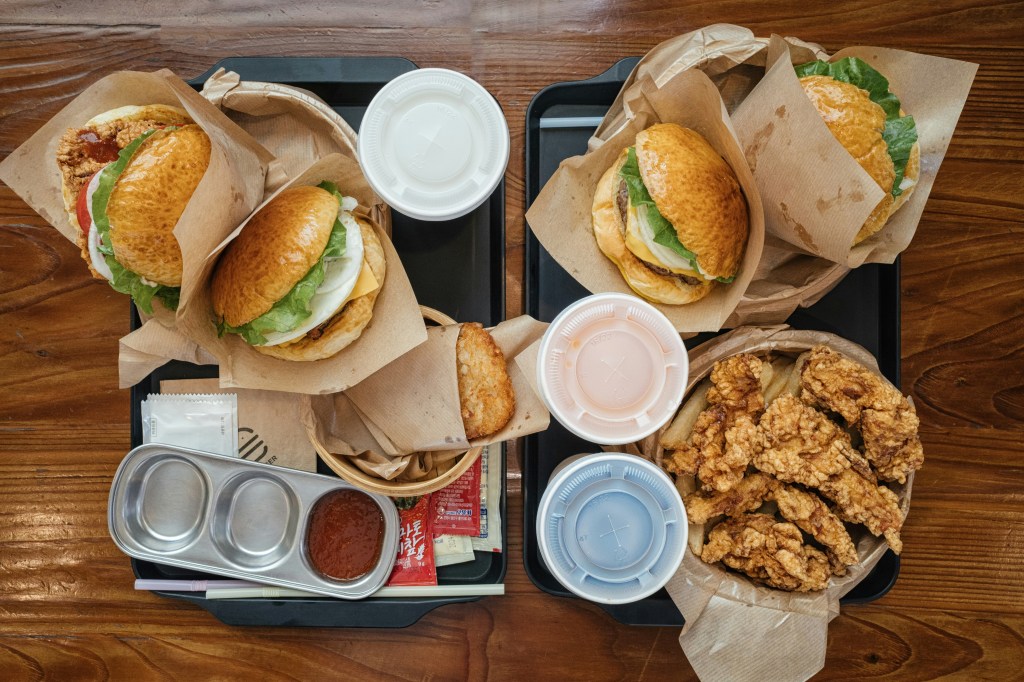
In the age of convenience, fast food is often seen as an easy solution to busy schedules. However, with calorie-conscious eating becoming a priority for many, it’s essential to understand the calorie breakdown of fast food versus home-cooked meals. What does a typical 1,800-calorie day look like when you’re dining out at fast-food restaurants compared to cooking from home?
This comprehensive guide will compare how 1,800 calories unfold at fast-food chains and in home-cooked meals, helping you make better food choices. We’ll also show you how Calorie Counter by NutriSnap can help you track your meals, giving you a clearer picture of your calorie intake. Whether you’re aiming for weight management, maintaining energy, or simply trying to eat better, this post will guide you through every aspect of the 1,800-calorie dilemma.
🧐 Understanding 1,800 Calories: The Basics
Before diving into specific meals, it’s important to understand how 1,800 calories fit into your daily nutritional needs.
For most adults, 1,800 calories are considered a moderate caloric intake for maintaining or losing weight, especially if you are moderately active. If you have a more sedentary lifestyle, 1,800 calories could be enough for weight loss, while those with higher activity levels may require more.
To break it down:
- Breakfast: ~400-500 calories
- Lunch: ~500-600 calories
- Dinner: ~600-700 calories
In this article, we’ll look at how a typical fast-food meal stacks up against a home-cooked meal at the same caloric intake, so you can see just how much you’re getting for your calories.
🍔 1,800 Calories at Fast-Food Restaurants: What You’re Really Eating
Fast food is often calorie-dense, meaning you get more calories for less volume. With large portion sizes and calorie-packed ingredients, it’s easy to surpass your daily calorie needs with just one or two fast-food meals.
Let’s explore how 1,800 calories play out in some popular fast-food chains.
Example 1: McDonald’s Meal
Let’s put together a typical McDonald’s meal that adds up to 1,800 calories:
- Big Mac (540 calories)
- Medium Fries (340 calories)
- Medium Coke (210 calories)
- Egg McMuffin (300 calories)
- Apple Slices (15 calories)
Total: 1,800 calories
Nutritional Breakdown:
- Fat: 84g (Saturated fats and trans fats from fried food and sauces)
- Carbohydrates: 210g (High-carb options from fries, buns, and soda)
- Protein: 43g (From the beef patty and eggs)
What to Know:
- The Big Mac and Egg McMuffin provide protein, but they are also rich in fats, particularly saturated fats from the mayo and burger buns.
- Fries and Coke are carb-heavy, providing little in terms of nutrients. The fries are deep-fried, which contributes to trans fats that should be avoided for heart health.
- This meal offers a large portion of calories from processed foods, often with little in the way of fiber or micronutrients like vitamins and minerals.
Example 2: Taco Bell
Another popular choice is Taco Bell. Here’s how a meal might look for 1,800 calories:
- Beef Chalupa Supreme (350 calories)
- Cheesy Gordita Crunch (510 calories)
- Medium Baja Blast (190 calories)
- Beef Soft Taco (200 calories)
- Cinnamon Twists (170 calories)
Total: 1,800 calories
Nutritional Breakdown:
- Fat: 85g (Trans fats from fried tacos, cheese, and creamy sauces)
- Carbohydrates: 190g (Mainly from the tortillas, cheese, and Baja Blast)
- Protein: 40g (Beef and cheese provide moderate protein)
What to Know:
- Taco Bell meals are generally high in calories from fried tortillas and cheese, and the sugary Baja Blast adds more carbs and empty calories.
- The Cheesy Gordita Crunch and Cinnamon Twists contribute a lot of sugar and fats, making this meal imbalanced, with insufficient vegetables or fiber.
- Fast food like this is calorie-dense and offers limited nutritional diversity compared to a balanced meal.
🍳 1,800 Calories with Home-Cooked Meals: A Balanced Approach
In contrast to fast food, home-cooked meals offer you complete control over ingredients, portion sizes, and nutrient quality. You can easily pack your meals with lean proteins, whole grains, healthy fats, and fiber-rich vegetables.
Here’s a breakdown of what 1,800 calories could look like in well-balanced, home-cooked meals.
Example 1: Grilled Chicken Salad with Avocado, Quinoa, and Vegetables
For a healthy, nutrient-packed meal, here’s what 1,800 calories might look like in a day:
Grilled Chicken Salad:
- 4 oz Grilled Chicken Breast (165 calories)
- 1 cup Mixed Greens (10 calories)
- ½ Avocado (120 calories)
- ½ cup Cooked Quinoa (111 calories)
- 2 tbsp Olive Oil & Lemon Dressing (240 calories)
- Cucumber, Cherry Tomatoes, and Red Onion (50 calories)
Total for the Salad: 696 calories
Now, let’s add more meals for the day:
- Breakfast: Greek yogurt with mixed berries and almonds (350 calories)
- Lunch: Veggie stir-fry with tofu and brown rice (500 calories)
Total: 1,800 calories
Nutritional Breakdown:
- Fat: 100g (Healthy fats from avocado and olive oil)
- Carbohydrates: 120g (From quinoa, vegetables, and fruit)
- Protein: 70g (Lean protein from chicken, tofu, and yogurt)
What to Know:
- Grilled Chicken Salad: High in lean protein and healthy fats, particularly from avocado and olive oil. Quinoa provides complex carbohydrates, giving you energy without spiking blood sugar levels.
- Greek Yogurt and Veggie Stir-Fry: Packed with probiotics, fiber, and micronutrients from the yogurt and vegetables. The tofu adds plant-based protein, while brown rice provides slow-digesting carbs.
- Overall, this meal is nutrient-dense, with a good mix of healthy fats, fiber, and protein to keep you full and satisfied.
Example 2: Baked Salmon with Sweet Potatoes and Steamed Asparagus
Another example of a home-cooked meal would look like this:
- 6 oz Baked Salmon (367 calories)
- 1 medium Sweet Potato (103 calories)
- 1 cup Steamed Asparagus (27 calories)
- 1 tbsp Olive Oil (119 calories)
Total for the Dinner: 616 calories
For the rest of the day:
- Breakfast: Scrambled eggs with spinach and avocado (400 calories)
- Lunch: Whole grain wrap with turkey, hummus, and veggies (500 calories)
Total: 1,800 calories
Nutritional Breakdown:
- Fat: 85g (Omega-3s from salmon and healthy fats from olive oil and avocado)
- Carbohydrates: 120g (Sweet potato and vegetables)
- Protein: 90g (Salmon and eggs)
What to Know:
- Salmon: High in omega-3 fatty acids, which are great for heart health. It’s also an excellent source of protein.
- Sweet Potato & Asparagus: High in fiber, vitamins, and minerals, which are essential for overall health. The complex carbs in sweet potatoes provide lasting energy.
- Scrambled Eggs: Packed with protein and healthy fats from the eggs and avocado.
📲 Track Your Meals with Calorie Counter by NutriSnap
Tracking calories can feel overwhelming, but with Calorie Counter by NutriSnap, it’s easier than ever. Whether you’re grabbing a fast-food meal or preparing a healthy dish at home, NutriSnap helps you stay on track.
- Barcode Scan: Quickly scan fast food packaging to get an accurate calorie count.
- Custom Meals: Create custom meals for your home-cooked dishes and track them easily.
- Photo Logging: Take a photo of your meal, and NutriSnap’s AI will estimate the calories based on the food it recognizes.
- Real-Time Feedback: Stay informed of your macronutrients and calorie intake, ensuring you’re making choices that align with your health goals.
🏁 Key Takeaways
- Fast Food: Typically high in unhealthy fats, carbohydrates, and calories from processed ingredients. The nutritional value is often low, with fewer vitamins, minerals, and fiber.
- Home-Cooked Meals: Offer much more control over your calorie intake and nutritional quality. By preparing meals with whole foods, lean proteins, and healthy fats, you can ensure you’re meeting your health and fitness goals.
- NutriSnap: The best tool to track your food intake and ensure you’re hitting your calorie targets without all the guesswork.
✅ Conclusion
The difference between fast food and home-cooked meals is clear: control and quality. While fast food is often calorie-dense and packed with unhealthy fats, home-cooked meals provide a balanced, nutrient-rich approach to eating.
By utilizing tools like Calorie Counter by NutriSnap, you can track your meals with ease, ensuring that whether you’re cooking at home or enjoying a fast food treat, you’re always mindful of your calorie intake and nutritional needs.
Have you noticed a difference in how you feel when you cook at home versus eating fast food? Let us know in the comments!
 NutriSnap
Leave a comment