
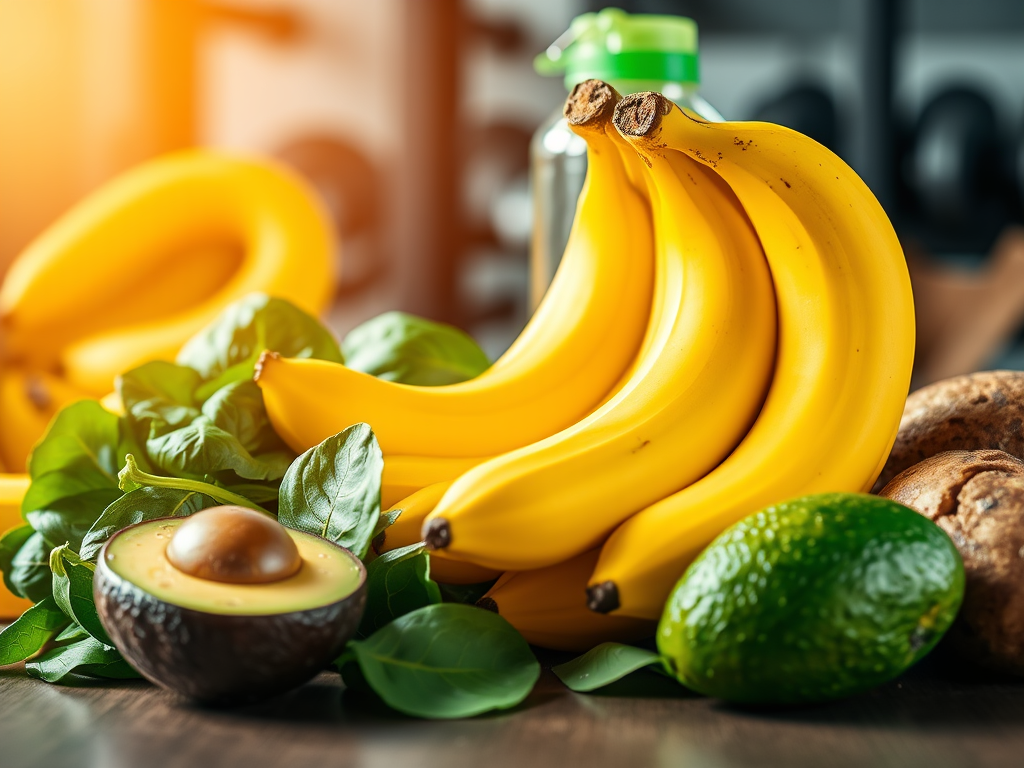
If you’re working out, eating clean, and still feeling sluggish, bloated, or stuck in your progress — you might be missing one crucial micronutrient: potassium.
Often overlooked in favor of protein, carbs, and calories, potassium is a true performance powerhouse. And if you’ve been avoiding bananas (or other high-potassium foods) because you’re worried about sugar or carbs, you might be holding yourself back.
In this blog, we’ll break down exactly what potassium does, why your body needs more of it than you think.
💓 Why Potassium Matters More Than You Realize
Potassium is a mineral and electrolyte that supports several key body functions. Without enough of it, your performance, hydration, and overall wellness can take a hit.
What Potassium Does:
- ✅ Balances fluids and electrolytes
- ✅ Supports healthy blood pressure
- ✅ Helps muscles contract and recover
- ✅ Aids in nerve function and hydration
- ✅ Reduces bloating and water retention
🚨 Signs You’re Not Getting Enough
- Frequent muscle cramps or weakness
- Feeling bloated or puffy
- Irregular heartbeat or palpitations
- Chronic fatigue or brain fog
- Headaches and mood swings
Even mild potassium deficiencies can affect your performance and recovery — especially if you sweat heavily, drink coffee/tea, or eat a high-sodium diet.
🍌 The Banana Myth: Sugar vs. Benefits
Yes, bananas contain natural sugars — but they also pack:
- ~420mg of potassium per medium banana
- Fast-digesting carbs ideal for pre/post workout
- Fiber, vitamin B6, and antioxidants
The truth: Bananas are one of the easiest, most affordable, and effective ways to increase your potassium intake — especially for active people.
Skipping them out of fear of sugar? You could be sabotaging your energy, hydration, and recovery.
📊 Top Potassium-Rich Foods (Beyond Bananas)
| Food | Potassium (mg per serving) |
|---|---|
| Baked potato (1 medium) | ~925 mg |
| Spinach (1 cup cooked) | ~840 mg |
| Avocado (1 medium) | ~700 mg |
| Sweet potato (1 medium) | ~540 mg |
| Coconut water (1 cup) | ~600 mg |
| White beans (½ cup) | ~475 mg |
| Salmon (3 oz) | ~420 mg |
| Yogurt, plain (1 cup) | ~530 mg |
| Dried apricots (¼ cup) | ~470 mg |
| Banana (1 medium) | ~420 mg |
🚀 How Much Potassium Do You Need?
Calorie Counter by NutriSnap automatically computes your recommended potassium
🔗 Track Potassium the Smart Way with NutriSnap
Most apps don’t make micronutrient tracking easy — but Calorie Counter by NutriSnap does:
🏧 Barcode Scanning
See potassium levels instantly in packaged foods, drinks, and snacks.
Photo Logging
Snap your meals and let NutriSnap estimate full nutrient breakdowns.
🎤 Voice Logging
Say your meal out loud (e.g., “avocado toast with eggs”) and NutriSnap logs it for you — potassium included.
📊 Daily Reports
Monitor your potassium intake and see where you might be falling short.
✅ Verified Food Database
Track your meals using science-backed entries, not unreliable user-generated guesses.
🙌 Final Thoughts: Don’t Fear the Banana — Fuel With It
If you’re tired, bloated, sore, or struggling to feel your best, it might not be your calories or macros — it might be your potassium.
Nourishing your body isn’t just about what you cut — it’s also about what you include. So stop skipping the banana. Start eating (and tracking) smarter.
Download Calorie Counter by NutriSnap available in Android and IOS today to take the guesswork out of potassium — and every other nutrient you need to thrive.
 NutriSnap
Leave a comment